Understanding How Does Trade Plate Delivery Work for Car Dealerships in the UK: is essential for both automotive retailers and customers who want to know more about vehicle logistics and legal compliance. Trade plates are special registration plates issued by the DVLA (Driver and Vehicle Licensing Agency) that allow unregistered vehicles to be legally driven on public roads. These plates are commonly used by car dealerships, motor traders, vehicle testers, and other professionals in the motor industry. The system streamlines the movement of vehicles from one location to another, whether it’s for delivery to customers, between dealership sites, or for test drives and mechanical assessments.
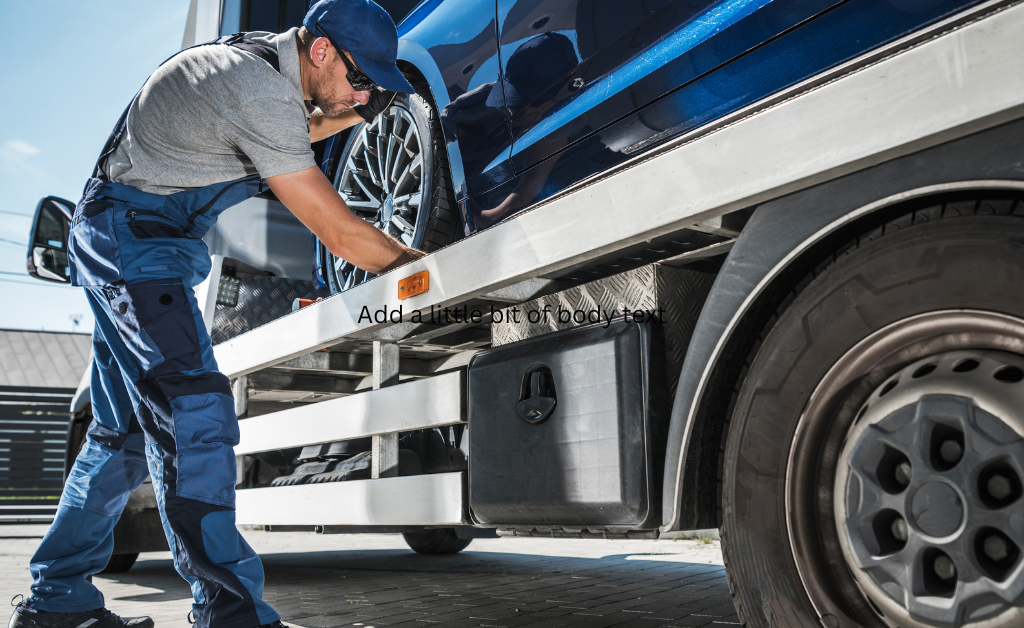
The use of trade plates ensures that a vehicle does not need to be taxed or registered in the name of the dealer before being moved. This flexibility is especially valuable in situations where a vehicle is newly purchased, transferred between dealerships, or even returned following a lease or hire period. In this comprehensive article, we will explore the detailed workings of trade plate delivery, including the legal framework, practical application, and the role it plays in the broader automotive industry in the UK.
Legal Foundation of Trade Plate Delivery in the UK
To fully grasp how does trade plate delivery work for car dealerships in the UK, it’s important to start with the legal basis. Trade plates are issued under strict conditions by the DVLA and are governed by regulations that aim to prevent misuse. The plates can only be used for specific purposes such as delivering a vehicle, driving it to an MOT test, or transferring it between business locations. They are not to be used for private purposes or any form of recreational driving.
Each dealership or motor trader must apply for trade plates by proving their eligibility. This involves providing business credentials, motor trade insurance, and other supporting documents. Once approved, trade plates must be renewed annually and displayed clearly on the vehicle, typically in the front and rear windows if it’s a car. It’s illegal to affix them in a way that obscures any part of the plate or fails to make it easily visible to law enforcement or traffic cameras.
How Car Dealerships Use Trade Plate Delivery
When considering how does trade plate delivery work for car dealerships in the UK, it becomes clear that this process is deeply integrated into daily operations. One of the most common uses of trade plates is to deliver a newly purchased car to a customer’s home. Since the vehicle may not yet be registered to the buyer, trade plates make it possible for a delivery driver to transport it legally on public roads.
Similarly, trade plates are used when transferring vehicles between branches of a dealership network. For instance, if a customer wants a specific model or trim not available at their local dealership, the car can be driven from another branch using trade plates. This prevents the need to register the vehicle temporarily, which would create unnecessary administrative burdens and costs.
Test drives are another area where trade plates come into play. If a dealership allows a customer to test drive a car that hasn’t been registered for road use, they can temporarily attach trade plates, ensuring the drive complies with UK road laws. However, this must be supervised by a dealership employee, as trade plates are not typically meant for unsupervised public use.
Driver Responsibilities and Insurance Considerations
As we dive deeper into how does trade plate delivery work for car dealerships in the UK, it’s critical to understand the responsibilities placed on the delivery driver. Only authorised individuals may use trade plates, and they must carry proof of motor trade insurance and trade plate authorisation at all times. If stopped by police, the driver must produce these documents upon request.
Insurance coverage is another key factor. Vehicles driven under trade plates must be covered by a comprehensive motor trade insurance policy that includes third-party liability, damage, theft, and delivery use. This policy must be active and registered to the dealership or trader using the plates. Failure to have valid insurance can result in severe penalties, including fines, points on the driver’s license, or even confiscation of the vehicle.
Dealerships often employ dedicated trade plate drivers, either in-house or through specialist logistics firms, to carry out these tasks. These drivers are trained to understand the legal parameters of trade plate usage, as well as how to handle documentation, customer interaction, and vehicle inspection upon delivery or pickup.
Trade Plate Delivery in Online Car Sales
In the modern digital landscape, how does trade plate delivery work for car dealerships in the UK has evolved to align with the increasing popularity of online car purchases. Customers can now buy a vehicle entirely online, without setting foot in a showroom. The purchased vehicle is then delivered directly to their doorstep using trade plates, bypassing the need for initial registration in the buyer’s name.
This is particularly relevant for companies like Cazoo, Cinch, and Carwow, which rely heavily on efficient vehicle logistics. Trade plate delivery supports the seamless movement of thousands of vehicles across the UK each month, helping these platforms meet high customer expectations for fast and secure deliveries. The trade plate system allows them to legally drive unregistered vehicles while finalising paperwork and customer handover remotely.
For dealerships, this has introduced new operational requirements. Delivery teams must ensure that every vehicle is roadworthy before transportation, with valid MOTs where necessary and safety inspections completed. In many cases, delivery personnel are expected to walk the customer through a final inspection and digital signing process upon handover.
Limitations and Misuse of Trade Plates
To better evaluate how does trade plate delivery work for car dealerships in the UK, it is equally important to recognise its limitations and common pitfalls. Misuse of trade plates is a serious issue that can result in prosecution. For example, using trade plates on a vehicle for personal errands, or allowing someone outside the dealership to use a trade plate vehicle, is illegal.
There are also strict limitations on where and when trade plates can be used. If a vehicle is driven outside the scope of what is permitted – such as using it for commuting, personal shopping trips, or holiday travel – it can lead to revocation of the dealership’s trade license and legal consequences for the driver.
In addition, trade plates do not exempt vehicles from safety regulations. The car must be roadworthy at all times, and driving a vehicle with significant defects, even under trade plates, is a punishable offence under the Road Traffic Act. All lights, brakes, tyres, and other critical systems must be functioning properly before transport.
Technological Advancements in Trade Plate Logistics
Recent years have brought significant innovation in how does trade plate delivery work for car dealerships in the UK, particularly in tracking and automation. Many dealerships now use advanced fleet management software to monitor trade plate use in real time. GPS tracking devices can be installed on vehicles during transit to ensure they follow designated routes and timelines.
Additionally, digital documentation and e-signature systems have made it easier for dealerships to manage delivery records, trade plate usage logs, and customer confirmations. These systems reduce human error, streamline compliance checks, and help dealerships maintain accurate records for DVLA audits.
Third-party logistics providers specialising in automotive delivery have also grown in popularity. These companies often provide trained drivers, trade plates, and insurance coverage as part of a complete service package. They can handle high-volume delivery contracts for larger dealerships, offering faster turnaround times and professional customer service.
Environmental and Regulatory Impact
No discussion of how does trade plate delivery work for car dealerships in the UK would be complete without addressing its environmental and regulatory dimensions. With growing awareness of climate change and government targets for reducing emissions, trade plate delivery must also adapt.
The UK’s transition to electric vehicles (EVs) is impacting how deliveries are made. Trade plate drivers must be familiar with EV charging procedures and infrastructure. This includes knowing the locations of public charging stations, managing vehicle range during deliveries, and handling customer inquiries about EV operation.
Moreover, dealerships must stay updated with Clean Air Zone (CAZ) and Ultra Low Emission Zone (ULEZ) requirements, especially when trade plate delivery routes pass through areas with environmental tolls. Failure to pay the necessary charges can lead to penalties for the dealership, even if the vehicle is temporarily using trade plates.
Trade Plate Delivery and Brexit Implications
Another aspect of how does trade plate delivery work for car dealerships in the UK is the impact of Brexit on cross-border vehicle movement. While most trade plate deliveries occur within the UK, some dealerships also move vehicles to and from Northern Ireland or mainland Europe. Since Brexit, these cross-border deliveries now involve additional paperwork, including customs declarations and proof of origin documentation.
Trade plates are typically not valid outside the UK, so dealers must register vehicles or use temporary transit plates in accordance with the destination country’s laws. This has increased the complexity of international deliveries, prompting some UK dealers to restrict trade plate deliveries to domestic routes only.
Frequently Asked Question About How Does Trade Plate Delivery Work for Car Dealerships in the UK:
What are trade plates and why are they used by dealerships?
Trade plates are temporary registration plates issued by the DVLA that allow unregistered vehicles to be legally driven on public roads. Car dealerships use them to move vehicles for delivery, test drives, or transfers between locations without the need to register and tax each vehicle individually.
Who can use trade plates legally?
Only authorised individuals connected to a registered motor trade business—such as a dealership or vehicle logistics company—can legally use trade plates. The driver must also be insured under a motor trade policy and have permission from the dealership.
Can trade plates be used for private use?
No, trade plates cannot be used for any form of private or personal use. This includes commuting, family use, or holiday travel. They are strictly for business-related vehicle movements, such as deliveries or testing.
Do trade plate vehicles need insurance?
Yes, every vehicle driven under trade plates must be covered by a valid motor trade insurance policy. This policy must include third-party liability and often covers damage, theft, and business use.
How are trade plates displayed on the vehicle?
Trade plates must be clearly visible on the front and rear of the vehicle. Typically, they are placed inside the windscreen and rear window, but they must not obscure visibility or be hard to read.
Is MOT required for vehicles driven on trade plates?
Yes, if the vehicle is of an age that requires an MOT, it must have a valid MOT certificate before being driven—even under trade plates—unless the vehicle is being driven to or from a pre-booked MOT test.
Can customers test drive vehicles with trade plates?
Customers may be allowed to test drive a car using trade plates, but typically only if they are accompanied by a dealership employee. The use of trade plates by unaccompanied customers is generally not permitted.
Are there penalties for misusing trade plates?
Yes, misuse of trade plates can lead to legal consequences such as fines, license points, and the loss of the dealership’s trade license. The DVLA and police actively monitor for improper use.
How do online car dealers use trade plate delivery?
Online dealers use trade plate delivery to transport vehicles to customers who purchase cars through their websites. Since these vehicles may not yet be registered to the buyer, trade plates make it legal to drive them to the customer’s address.
Can trade plates be used for deliveries outside the UK?
No, UK trade plates are not valid for use outside of the UK. For deliveries abroad, other legal documentation and country-specific temporary plates must be used. Additional customs processes may also apply due to Brexit
Conclusion
In conclusion, understanding how does trade plate delivery work for car dealerships in the UK reveals a complex but efficient system designed to streamline the movement of unregistered vehicles. From legal compliance and insurance requirements to logistics, driver training, and technological advancements, trade plate delivery plays a pivotal role in the automotive industry’s operations. It supports a wide range of scenarios, from showroom test drives to doorstep delivery for online purchases.
As the industry continues to evolve with digital transformation and environmental regulation, the processes surrounding trade plate usage will also adapt. For car dealerships, maintaining strict compliance, training staff, and embracing new technologies will ensure that trade plate delivery remains a safe, legal, and customer-friendly method for transporting vehicles across the UK